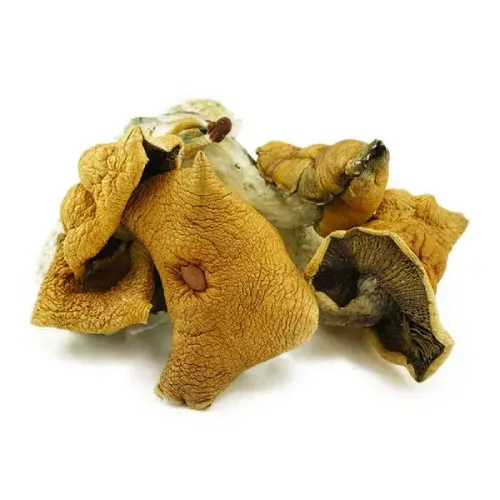
Within the enchanting realm of fungi, few species capture the imagination quite like the intriguing Wavy Cap mushroom. Crowned with a cap that resembles a swirling wave, this curious specimen is a true vision of nature's artistry. Its bewitching appearance often draws the attention of both amateur and expert mycologists alike. Flourishing in a variety of habitats, from verdant forests to shaded meadows, the Wavy Cap mushroom reveals a bold array of colors, ranging from deep browns to bright yellows.
Identifying Wavy Caps in Your Backyard
Are yourselves looking to discover those fascinating fungi that sometimes pop up in lawns? Recognizing wavy caps can be a interesting experience. These distinct mushrooms often have a characteristic wavy or undulating shape to their pilei. They usually appear on logs, preferring moist conditions. Keep that while some wavy caps are edible, others can be poisonous. It's always wise to refer an expert before consuming any wild mushrooms.
Should you think you might have found a wavy cap, take a picture from multiple angles and notice its color, size, shape. Leverage a field guide or online resource to help classify the species.
The enchanting World of Wavy Cap Fungi
Step into a realm where nature's artistry knows no bounds. The wavy cap fungi, also known as Cortinarius, are a fascinating sight to behold. Their peculiar caps resemble undulating ripples, creating an visual treat that mesmerizes the eye.
These subtle fungi thrive in moist habitats, often found emerging from decaying matter. Their muted hues range from light brown, sometimes kissed with stripes.
Observe their tensile stems, narrowing gracefully toward the ground. A true gem of the forest floor, the wavy cap fungi remind us that magic can be found in the most unassuming places.
Unveiling the Secrets of the Wavy Cap Mushroom
The wavy cap mushroom, also known as Collybia wavycap, is a fascinating species with mysterious qualities. Found in damp woodlands, these mushrooms are identified by their wavy mushrooms unique curved caps and ethereal texture.
- Researchers have long been fascinated by the wavy cap mushroom's complex biological anatomy.
- Certain species of wavy cap mushrooms are known to produce unique substances with potential medicinal purposes.
- Efforts are currently underway to elucidate the full capabilities of this enigmatic mushroom.
Cultivating Wavy Cap Mushrooms at Home
Wavy cap mushrooms provide unique and interesting culinary experience. Developing them at home presents a rewarding adventure. With the right tools, you will achieve grow these striking fungi in your own space.
- Start with a clean substrate, such as grains, which provides the needed nutrients for mushroom growth.
- Inoculate your substrate with wavy cap mushroom spawn obtained from a reliable supplier.
- Maintain optimal temperature for growth, typically between around 20 degrees Celsius.
- Deliver proper humidity levels to your growing space.
- Gather your mushrooms when they reach their full size, usually within 2-4 weeks.
A Forager's Guide to Wavy Caps
When searching for tasty Wavy Caps, remember to focus on lush woodland areas. These fungi thrive in humid locations, often nestled among decomposingtrees. Take note of their distinctive fan-shaped caps and ivory stems. A keen eye for detail will help you distinguish these treasures, making your foraging adventure a successful one.
- Following consuming any wild fungi, it is crucial to authenticate its identity with an experienced forager or through reliable resources.
- Refrain from foraging in areas that may have been exposed to pesticides or herbicides.
- Always practice ethical foraging, taking only what you need and leaving the rest for others to enjoy.